The Guide to Product Labeling: Types of Labels in Packaging

the guide to product labeling types of labels in packaging dfw moving supplies inc

The Guide to Product Labeling: Types of Labels in Packaging

When you buy something the box or package is usually the thing you see. The box acts like the body, and the labels act like the face; therefore, they give the product its identity and tell you what is important. Whether you run a small business selling handmade items or manage a large company producing many products, you need to understand the different types.

 This is important because it helps your brand look good, moreover, it ensures you follow the rules and get things done quickly.

In this guide we will look at all the kinds of labels. We will talk about how these tags can make your product look good and how they can help get your product from one place to another.

Why Labels are Important in Packaging?

These are not pieces of paper that you stick on something. They do three things:

  1. They tell you what is inside the package how to use it and when it will expire.
  2. It helps  with branding, which means they use colors, words and logos to get your attention.
  3. Labels make sure the package gets to where it needs to go without getting lost.

1. Primary Product Labels

Branding Labels, also known as product badges, play an important role in Product Labeling. In this guide, we focus on Product Labeling and its key elements.

The primary label serves as the face of your product. It sits on the front of a bottle, jar, or box, catching the shopper’s attention and showcasing your brand identity.

Pressure-Sensitive Labels:

These are the most common. Think of them as high-quality stickers. They are easy to apply and can be made from paper, film, or foil.

Shrink Sleeve Labels:

These are 360-degree printed films that shrink onto the contours of a container using heat. They are popular for oddly shaped beverage bottles because they offer maximum “real estate” for design.

2. Shipping Labels (The Backbone of E-commerce)

If you operate an online store, shipping labels are arguably the most critical component of your workflow. Without an accurate shipping label, a product cannot reach its destination.

Unlike branding tags, which focus on aesthetics, shipping labels focus on data. They typically include:

  • The sender’s address.
  • The recipient’s address.
  • A tracking barcode.
  • The shipping method, for example Overnight or Ground.

Most businesses today use printers to make these. Using quality adhesive is very important; if a shipping label comes off while transporting, then the carrier cannot deliver the package.

3. Regulatory Labels

The government strictly regulates many industries; therefore, businesses must follow clear rules. Food, pharmaceuticals, and chemical products must carry specific information by law.

  • Nutrition Facts: You need to include these on food products to tell people about calories, fats and things they might be allergic to.
  • Drug Facts: You find these on medications you can buy without a prescription.
  • Warning Labels: These tell you about dangers like “Flammable” or “Keep Out of Reach of Children.”

4. Security and Tamper-Evident Labels

Nowadays keeping consumers safe and protecting brands is important and security tags play a big role in that.

  • Tamper-Evident Seals: If someone tries to open a product these tags will show a “VOID” pattern. You often see these on food delivery and medicine.
  • RFID Labels: These have a chip that helps businesses keep track of their inventory in real-time using radio waves. This prevents theft and loss in the supply chain.

5. Warehouse and Inventory Labels

In a warehouse or fulfillment center, help keep everything organized.

  • Barcode Labels: Each product needs a barcode so scanners can track how many you have in stock.
  • Bin or Rack Labels: These help warehouse workers find where products are stored.
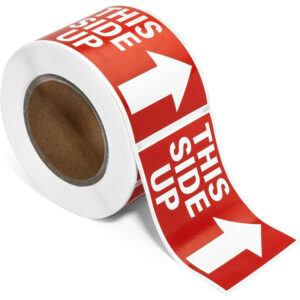
  • Instructional Labels: These include stickers that say “Fragile,” “This Side Up ” or “Handle with Care.” These are additions to shipping labels so the carrier handles the package correctly.

Materials and Adhesives: What Should You Choose?

The environment your package will be in determines what material you should use for the label.

  • Paper Labels: These are best for use and dry places. They’re cheap. Work well in many situations.
  • BOPP (Polypropylene): This is a material thats resistant to water and oil. It’s perfect for products like bath stuff or refrigerated food.
  • Permanent vs. Removable Adhesive: Do you want the label to stay on forever or should the customer be able to peel it off ? This is a choice for the user experience.

How to Optimize Your Labeling Strategy

To make sure your packaging is efficient and looks professional follow these tips:

  1. Consistency is Key: Your branding labels should have the color scheme across all products.
  2. Invest in Quality: Using cheap shipping tags can cause problems like smudged barcodes; as a result, they can delay shipping and cost you money.
  3. Check Regulations: Make sure your font sizes and required warnings meet international shipping standards.
  4. Source Locally: Working with local suppliers ensures you get the right materials, from boxes to adhesive stickers, to keep your business running smoothly.
Labels

conclusion

The world of labels is really big and varied. From the colorful to the functional, every sticker has a purpose. By choosing the materials, following the rules, and focusing on clear communication, you can improve your brand’s reputation and ensure your products arrive safely at their destination.

Whether you’re packing an order or managing a warehouse, remember: a package isn’t finished until it’s labeled.

How to Pack a Kitchen for Moving | Complete Packing Guide

pack- a kitchen -for moving

How to Pack a Kitchen for Moving: The Complete Guide

The kitchen is the hardest room to pack for moving. It contains fragile tableware, heavy household appliances, and oddly shaped utensils that seem to defy packing logic. But with the right planning, the kitchen packing process is simple and stress-free.
Start early. Give yourself at least two to three days just for the kitchen.
 

Step 1: Declutter Before You Pack

First, go through every cabinet and drawer.
Toss expired pantry items. Donate duplicates. Sell appliances you rarely use.
Consequently, you pack less — and spend less on boxes and supplies.

Step 2: Acquire Necessary Packing Supplies

Buy these things in advance:
* Moving boxes for the kitchen (special boxes called dish-pack boxes with double walls)
* Boxes for moving your dishes (boxes that are designed for moving plates and bowls)
* Small moving boxes for moving your heavy kitchen stuff, like iron pots and canned food
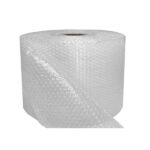
* Tape and bubble wrap for moving your fragile dishes
* Packing paper and foam envelopes
Pro Tip: Never use large boxes for heavy items. Small boxes keep the weight manageable and protect your back.

Step 3: Place fragile items first.

Knowing how to pack your fragile kitchenware properly will prevent disappointment when you make a move.

Here’s how to do it:
1. First, place some torn packing paper on the bottom of the box.
2. Next, pack each piece in separate bubble wrap.
3. Then, place dishes in an upright position – never horizontally. Upright positioning reduces shock.
4. Finally, pack empty spaces with packing paper.
5. Tape the box tightly.

Step 4: Learn How to Pack Glassware When Moving

Glassware is difficult to pack and move.
* Fill each piece of glassware with packing paper from the inside.
* Wrap the exterior surface of the glassware with double bubble wrap.
* Place the glassware upright, not sideways.
* Mark the box: FRAGILE – THIS SIDE UP.
Also, use the cell divider insert boxes if possible. This helps to prevent and minimise the damage caused by collisions.
 

Step 5: Packing everything else.

* Strategically packing heavy objects (cast-iron, appliances) into small boxes
* Place lighter items (Tupperware, plasticware) in larger boxes.
* Wrap appliance cords and tape them to the appliance itself.
* Pack your everyday essentials last — or set them aside in a separate “open first” box.

Step 6: Label Every Box Clearly

Label every box with:
* Room destination (Kitchen)
* Contents (Plates, Mugs, Pots)
* Handling instruction (Fragile, Heavy, This Side Up)
Therefore, movers handle boxes correctly, and unpacking becomes twice as fast.
Pack a Kitchen for Moving
Bubble-Wrap
Pack a Kitchen for Moving
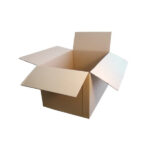
Large Box

Quick Packing Checklist

Item
Plates and bowls
Glasses and mugs
Cast iron/ Heavy pots
Small Appliances
Pantry items
Box Type
moving boxes for dishes
Kitchen moving boxes
Small boxes
Medium boxes
Medium boxes
Special care
vertical + bubble wrap.
Cell dividers + paper stuffing
Double-tape the bottom
Wrap cords separately
Seal open packages in zip bags.

Frequently asked questions

How far in advance should I start packing my kitchen for moving?
Start at least 3–5 days before moving day. The kitchen takes longer than any other room because of its fragile and heavy items.
Use two-sided dish packaging boxes specially designed as mopery boxes for dishes. They provide additional cushioning and significantly reduce rupture.
Stuff the inside with packing paper, wrap the outside with bubble wrap, and pack them upright in cell-divider boxes. Label the box FRAGILE clearly.
Avoid newspapers — the ink transfers onto dishes and glassware. Instead, use unprinted packing paper or bubble wrap for moving to keep items clean and protected.

The Complete Guide to Packing: Protect Every Item, Every Time

packing supplies

Smart packing saves time, money, and stress. Whether you’re moving homes or shipping products, choosing the right packing supplies makes all the difference.

Why Proper Packing Matters

Every damaged item is evidence that a certain packing procedure was forgotten. Investing in high-quality packing materials will keep your valuables safe and prevent any unnecessary expenses. Professional packers use only trusted packing materials, and now you can use them as well.

Packing not only protects the item but also helps save a lot of space and thus requires fewer boxes to be packed. This means fewer expenses for shipping.

Essential Packing Supplies You Need

Before you start, gather all your materials. The right combination makes packing faster and far more reliable.

Newsprint packing paper

packing

Paper Pad (60×72, 3 PLY)

Strong packing boxes

Packaging tape

Packaging tape

Bubble wrap

Corrugated Paper Wrap 48X250


Why a Paper Pad Is a Packing Essential for Cushioning

The primary role of paper pads is to wrap items, but a paper pad also provides a method of creating a cushioning system within your box. When you fill your box, place a full-size sheet flat in the bottom of every box to absorb the vertical impact created by the weight of items in your box during the loading and stacking process. You can then wrap all of your items individually and place folded sheets between items to prevent contact.

The 3-Ply Paper Pad, size 60″ x 72″, is exceptionally well-suited to this purpose. Large enough to wrap larger items in one sheet and three-ply thick enough to absorb shocks without adding much weight. Unlike bubble wrap, a paper pad will conform to the shape of an item, filling voids left by elongated or rigid items. The paper pad creates consistent and uniform protection around ceramics, glassware, or small appliances.

Taping Your Package Properly

Good packing tape is used not only to seal a box but also to add strength to the whole box. Two tapes should be placed in an H-shape pattern over the seams. This will make sure that the weight of the box is equally distributed, thereby reducing the chances of breaking.

Also, make sure you use special tapes for heavy cargo. Ordinary tapes do not withstand the pressure exerted on them by heavy boxes.

Packing Techniques for Individual Items

Each item will need to be packed using different techniques. This is what you should do for each of the more troublesome items:

  1. Glass: Wrap each one in packing paper before placing it into another layer of packing paper. Ensure that you pack them upright and not horizontally.
  2. Electronics: Always use the original packing box, but if unavailable, use packing paper to fill the box. Seal all sides with packaging tape.
  3. Books and papers: Pack them flat and not upright to prevent damaging the spine. Use smaller boxes to make sure they don’t become too heavy.
  4. Clothes and bedding: Roll them up instead of folding. You can also use them as padding for more delicate items.

Common Mistakes to Avoid

Even experienced movers make avoidable errors. Overpacking boxes is the most common mistake—a box that is too heavy is likely to tear and injure the person lifting it. Similarly, underpacking leaves too much space, causing items to bump against each other and break.

Never skip labeling. Label each box clearly with what is inside and where it belongs in the house. This makes unpacking much faster and ensures that you don’t lose things you need. Also, tape the bottom of every box twice before you load it, since this is where the stress is on a box.


Frequently Asked Questions

How early should I start packing before a move?

Start at least 2–3 weeks before your move date. Begin with items you use least—seasonal clothing, books, décor—and work toward everyday essentials. This staged approach keeps your home functional right up to moving day.

What is the best packaging paper for fragile items?

Newsprint packing paper is the top choice for fragile items. It’s soft, ink-free, and flexible enough to wrap irregular shapes. For extra protection, pair it with a 3-PLY paper pad (60×72) to cushion items inside the box.

How much packaging tape do I need for a move?

A standard move of a 2-bedroom home typically requires 3–5 rolls of packaging tape. Always buy extra — running out mid-pack is a common and avoidable delay.

Can I reuse packaging supplies?

Yes, but with caution. Boxes can be reused if structurally sound with no moisture damage. Packing paper and bubble wrap are fully reusable. However, packing tape should always be fresh—used tape loses adhesion and can fail during transit.

What is the difference between packing tape and packaging tape?

These terms are often used interchangeably. Both refer to strong adhesive tape designed to seal boxes and secure packing materials. The key factor is choosing a tape rated for the weight of your boxes.