The Guide to Product Labeling: Types of Labels in Packaging

the guide to product labeling types of labels in packaging dfw moving supplies inc

The Guide to Product Labeling: Types of Labels in Packaging

When you buy something the box or package is usually the thing you see. The box acts like the body, and the labels act like the face; therefore, they give the product its identity and tell you what is important. Whether you run a small business selling handmade items or manage a large company producing many products, you need to understand the different types.

 This is important because it helps your brand look good, moreover, it ensures you follow the rules and get things done quickly.

In this guide we will look at all the kinds of labels. We will talk about how these tags can make your product look good and how they can help get your product from one place to another.

Why Labels are Important in Packaging?

These are not pieces of paper that you stick on something. They do three things:

  1. They tell you what is inside the package how to use it and when it will expire.
  2. It helps  with branding, which means they use colors, words and logos to get your attention.
  3. Labels make sure the package gets to where it needs to go without getting lost.

1. Primary Product Labels

Branding Labels, also known as product badges, play an important role in Product Labeling. In this guide, we focus on Product Labeling and its key elements.

The primary label serves as the face of your product. It sits on the front of a bottle, jar, or box, catching the shopper’s attention and showcasing your brand identity.

Pressure-Sensitive Labels:

These are the most common. Think of them as high-quality stickers. They are easy to apply and can be made from paper, film, or foil.

Shrink Sleeve Labels:

These are 360-degree printed films that shrink onto the contours of a container using heat. They are popular for oddly shaped beverage bottles because they offer maximum “real estate” for design.

2. Shipping Labels (The Backbone of E-commerce)

If you operate an online store, shipping labels are arguably the most critical component of your workflow. Without an accurate shipping label, a product cannot reach its destination.

Unlike branding tags, which focus on aesthetics, shipping labels focus on data. They typically include:

  • The sender’s address.
  • The recipient’s address.
  • A tracking barcode.
  • The shipping method, for example Overnight or Ground.

Most businesses today use printers to make these. Using quality adhesive is very important; if a shipping label comes off while transporting, then the carrier cannot deliver the package.

3. Regulatory Labels

The government strictly regulates many industries; therefore, businesses must follow clear rules. Food, pharmaceuticals, and chemical products must carry specific information by law.

  • Nutrition Facts: You need to include these on food products to tell people about calories, fats and things they might be allergic to.
  • Drug Facts: You find these on medications you can buy without a prescription.
  • Warning Labels: These tell you about dangers like “Flammable” or “Keep Out of Reach of Children.”

4. Security and Tamper-Evident Labels

Nowadays keeping consumers safe and protecting brands is important and security tags play a big role in that.

  • Tamper-Evident Seals: If someone tries to open a product these tags will show a “VOID” pattern. You often see these on food delivery and medicine.
  • RFID Labels: These have a chip that helps businesses keep track of their inventory in real-time using radio waves. This prevents theft and loss in the supply chain.

5. Warehouse and Inventory Labels

In a warehouse or fulfillment center, help keep everything organized.

  • Barcode Labels: Each product needs a barcode so scanners can track how many you have in stock.
  • Bin or Rack Labels: These help warehouse workers find where products are stored.
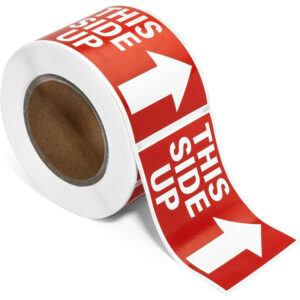
  • Instructional Labels: These include stickers that say “Fragile,” “This Side Up ” or “Handle with Care.” These are additions to shipping labels so the carrier handles the package correctly.

Materials and Adhesives: What Should You Choose?

The environment your package will be in determines what material you should use for the label.

  • Paper Labels: These are best for use and dry places. They’re cheap. Work well in many situations.
  • BOPP (Polypropylene): This is a material thats resistant to water and oil. It’s perfect for products like bath stuff or refrigerated food.
  • Permanent vs. Removable Adhesive: Do you want the label to stay on forever or should the customer be able to peel it off ? This is a choice for the user experience.

How to Optimize Your Labeling Strategy

To make sure your packaging is efficient and looks professional follow these tips:

  1. Consistency is Key: Your branding labels should have the color scheme across all products.
  2. Invest in Quality: Using cheap shipping tags can cause problems like smudged barcodes; as a result, they can delay shipping and cost you money.
  3. Check Regulations: Make sure your font sizes and required warnings meet international shipping standards.
  4. Source Locally: Working with local suppliers ensures you get the right materials, from boxes to adhesive stickers, to keep your business running smoothly.
Labels

conclusion

The world of labels is really big and varied. From the colorful to the functional, every sticker has a purpose. By choosing the materials, following the rules, and focusing on clear communication, you can improve your brand’s reputation and ensure your products arrive safely at their destination.

Whether you’re packing an order or managing a warehouse, remember: a package isn’t finished until it’s labeled.

How to Pack a Kitchen for Moving | Complete Packing Guide

pack- a kitchen -for moving

How to Pack a Kitchen for Moving: The Complete Guide

The kitchen is the hardest room to pack for moving. It contains fragile tableware, heavy household appliances, and oddly shaped utensils that seem to defy packing logic. But with the right planning, the kitchen packing process is simple and stress-free.
Start early. Give yourself at least two to three days just for the kitchen.
 

Step 1: Declutter Before You Pack

First, go through every cabinet and drawer.
Toss expired pantry items. Donate duplicates. Sell appliances you rarely use.
Consequently, you pack less — and spend less on boxes and supplies.

Step 2: Acquire Necessary Packing Supplies

Buy these things in advance:
* Moving boxes for the kitchen (special boxes called dish-pack boxes with double walls)
* Boxes for moving your dishes (boxes that are designed for moving plates and bowls)
* Small moving boxes for moving your heavy kitchen stuff, like iron pots and canned food
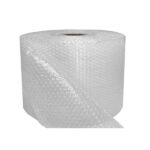
* Tape and bubble wrap for moving your fragile dishes
* Packing paper and foam envelopes
Pro Tip: Never use large boxes for heavy items. Small boxes keep the weight manageable and protect your back.

Step 3: Place fragile items first.

Knowing how to pack your fragile kitchenware properly will prevent disappointment when you make a move.

Here’s how to do it:
1. First, place some torn packing paper on the bottom of the box.
2. Next, pack each piece in separate bubble wrap.
3. Then, place dishes in an upright position – never horizontally. Upright positioning reduces shock.
4. Finally, pack empty spaces with packing paper.
5. Tape the box tightly.

Step 4: Learn How to Pack Glassware When Moving

Glassware is difficult to pack and move.
* Fill each piece of glassware with packing paper from the inside.
* Wrap the exterior surface of the glassware with double bubble wrap.
* Place the glassware upright, not sideways.
* Mark the box: FRAGILE – THIS SIDE UP.
Also, use the cell divider insert boxes if possible. This helps to prevent and minimise the damage caused by collisions.
 

Step 5: Packing everything else.

* Strategically packing heavy objects (cast-iron, appliances) into small boxes
* Place lighter items (Tupperware, plasticware) in larger boxes.
* Wrap appliance cords and tape them to the appliance itself.
* Pack your everyday essentials last — or set them aside in a separate “open first” box.

Step 6: Label Every Box Clearly

Label every box with:
* Room destination (Kitchen)
* Contents (Plates, Mugs, Pots)
* Handling instruction (Fragile, Heavy, This Side Up)
Therefore, movers handle boxes correctly, and unpacking becomes twice as fast.
Pack a Kitchen for Moving
Bubble-Wrap
Pack a Kitchen for Moving
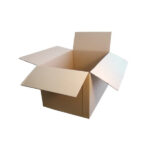
Large Box

Quick Packing Checklist

Item
Plates and bowls
Glasses and mugs
Cast iron/ Heavy pots
Small Appliances
Pantry items
Box Type
moving boxes for dishes
Kitchen moving boxes
Small boxes
Medium boxes
Medium boxes
Special care
vertical + bubble wrap.
Cell dividers + paper stuffing
Double-tape the bottom
Wrap cords separately
Seal open packages in zip bags.

Frequently asked questions

How far in advance should I start packing my kitchen for moving?
Start at least 3–5 days before moving day. The kitchen takes longer than any other room because of its fragile and heavy items.
Use two-sided dish packaging boxes specially designed as mopery boxes for dishes. They provide additional cushioning and significantly reduce rupture.
Stuff the inside with packing paper, wrap the outside with bubble wrap, and pack them upright in cell-divider boxes. Label the box FRAGILE clearly.
Avoid newspapers — the ink transfers onto dishes and glassware. Instead, use unprinted packing paper or bubble wrap for moving to keep items clean and protected.

The Complete Guide to Packing: Protect Every Item, Every Time

packing supplies

Smart packing saves time, money, and stress. Whether you’re moving homes or shipping products, choosing the right packing supplies makes all the difference.

Why Proper Packing Matters

Every damaged item is evidence that a certain packing procedure was forgotten. Investing in high-quality packing materials will keep your valuables safe and prevent any unnecessary expenses. Professional packers use only trusted packing materials, and now you can use them as well.

Packing not only protects the item but also helps save a lot of space and thus requires fewer boxes to be packed. This means fewer expenses for shipping.

Essential Packing Supplies You Need

Before you start, gather all your materials. The right combination makes packing faster and far more reliable.

Newsprint packing paper

packing

Paper Pad (60×72, 3 PLY)

Strong packing boxes

Packaging tape

Packaging tape

Bubble wrap

Corrugated Paper Wrap 48X250


Why a Paper Pad Is a Packing Essential for Cushioning

The primary role of paper pads is to wrap items, but a paper pad also provides a method of creating a cushioning system within your box. When you fill your box, place a full-size sheet flat in the bottom of every box to absorb the vertical impact created by the weight of items in your box during the loading and stacking process. You can then wrap all of your items individually and place folded sheets between items to prevent contact.

The 3-Ply Paper Pad, size 60″ x 72″, is exceptionally well-suited to this purpose. Large enough to wrap larger items in one sheet and three-ply thick enough to absorb shocks without adding much weight. Unlike bubble wrap, a paper pad will conform to the shape of an item, filling voids left by elongated or rigid items. The paper pad creates consistent and uniform protection around ceramics, glassware, or small appliances.

Taping Your Package Properly

Good packing tape is used not only to seal a box but also to add strength to the whole box. Two tapes should be placed in an H-shape pattern over the seams. This will make sure that the weight of the box is equally distributed, thereby reducing the chances of breaking.

Also, make sure you use special tapes for heavy cargo. Ordinary tapes do not withstand the pressure exerted on them by heavy boxes.

Packing Techniques for Individual Items

Each item will need to be packed using different techniques. This is what you should do for each of the more troublesome items:

  1. Glass: Wrap each one in packing paper before placing it into another layer of packing paper. Ensure that you pack them upright and not horizontally.
  2. Electronics: Always use the original packing box, but if unavailable, use packing paper to fill the box. Seal all sides with packaging tape.
  3. Books and papers: Pack them flat and not upright to prevent damaging the spine. Use smaller boxes to make sure they don’t become too heavy.
  4. Clothes and bedding: Roll them up instead of folding. You can also use them as padding for more delicate items.

Common Mistakes to Avoid

Even experienced movers make avoidable errors. Overpacking boxes is the most common mistake—a box that is too heavy is likely to tear and injure the person lifting it. Similarly, underpacking leaves too much space, causing items to bump against each other and break.

Never skip labeling. Label each box clearly with what is inside and where it belongs in the house. This makes unpacking much faster and ensures that you don’t lose things you need. Also, tape the bottom of every box twice before you load it, since this is where the stress is on a box.


Frequently Asked Questions

How early should I start packing before a move?

Start at least 2–3 weeks before your move date. Begin with items you use least—seasonal clothing, books, décor—and work toward everyday essentials. This staged approach keeps your home functional right up to moving day.

What is the best packaging paper for fragile items?

Newsprint packing paper is the top choice for fragile items. It’s soft, ink-free, and flexible enough to wrap irregular shapes. For extra protection, pair it with a 3-PLY paper pad (60×72) to cushion items inside the box.

How much packaging tape do I need for a move?

A standard move of a 2-bedroom home typically requires 3–5 rolls of packaging tape. Always buy extra — running out mid-pack is a common and avoidable delay.

Can I reuse packaging supplies?

Yes, but with caution. Boxes can be reused if structurally sound with no moisture damage. Packing paper and bubble wrap are fully reusable. However, packing tape should always be fresh—used tape loses adhesion and can fail during transit.

What is the difference between packing tape and packaging tape?

These terms are often used interchangeably. Both refer to strong adhesive tape designed to seal boxes and secure packing materials. The key factor is choosing a tape rated for the weight of your boxes.

what is a Gondola Box?

gondola-box

What Is a Gondola Box?

If you have ever tried to pack a monitor or a framed picture into a regular box you know it is tough. A gondola box is what you need in this situation. Once you use this box you will wonder how you managed to move things without it.

Gondola Box

A gondola box is a kind of box that is very long and rectangular. It is made to hold flat or odd-shaped items that do not fit in regular boxes. In fact, a gondola box is not like a square box. Instead, it is slim and long, which makes it perfect for items like pictures, computer towers, office supplies, long shelves, and wide electronics.

The original gondola box is 49 inches by 22 inches by 27 inches. As a result, it has a lot of space inside—about 13.6 feet. So you can pack more things without squishing them. The box is not too wide, which, in fact, is a good thing. It can fit down hallways without blocking the way which’s really helpful when you are moving.

These are not just for moving homes. They are also great for moving offices. When you are moving an office you need to pack computers, monitors, printers and files and keep them organized, & the solution, for this.

Understanding this Box

A gondola box is an extra-long, rectangular moving box specifically designed to hold oversized, flat, or awkwardly shaped items that simply don’t fit in regular boxes. Unlike standard square boxes, it features a slim, elongated profile that makes it ideal for items like large artwork, computer towers, office supplies, long shelving parts, and wide electronics.

The dimensions matter a lot here. The original size is 49 inches by 22 inches by 27 inches. It has a lot of space inside. 13.6 Feet. So you can pack more things without squishing them. The box is not too wide which is a thing. It can fit down hallways without blocking the way which’s really helpful when you are moving.

Why Choose Gondola Moving Boxes?

Boxes are not just for moving homes. They are also great for moving offices. When you are moving an office you need to pack computers, monitors, printers and files and keep them organized. The jumbo speed pack design means you can load up quickly without sacrificing protection.

Here's what makes the gondola box stand out:

Extra-long design handles items standard boxes can’t

Narrow profile navigates tight hallways and doorways

Durable corrugated construction keeps contents protected in transit

Versatile use for home, commercial, and office moves

Is a Gondola Box Right for Your Move?

If your move involves bulky, flat, or long items, the answer is almost certainly yes. Whether you’re relocating a home office or an entire business floor, Gondola The Original Box delivers the space, strength, and smart design that movers actually need.

Ready to pack smarter? Grab your box from moving supplies and move with confidence.

frequently asked questions

1. What is a gondola box used for?

A gondola box helps pack flat things or things that are not regular shapes. These things do not fit in moving boxes. It is great for pictures, computer monitors, shelves and office equipment.

2. What are the standard dimensions of a gondola box?

A usual gondola box measures 49 inches by 22 inches by 27 inches. It has 13.6 cubic feet of space. This space is good for items.

3. Are gondola boxes for office moves?

Yes gondola boxes are perfect for moving offices. They help keep computers, printers, files and other office equipment safe while moving. This helps prevent damage.

4. Why are gondola boxes better than moving boxes?

Gondola boxes are long and not too wide. This shape helps them fit through hallways. They hold items without bending or breaking them. Gondola boxes are good for items.

5. Can gondola boxes be used for home moving?

Yes you can use gondola boxes for moving homes. They are great, for packing artwork, TVs and long household things. These things need space and protection. Gondola boxes provide that.

What is the difference between a mattress cover and a mattress protector?

mattress cover

What is the difference between a mattress cover and a mattress protector?

A mattress cover covers the entire mattress to protect it from dust, dirt, moisture, and damage from being moved or stored.
 
The mattress protector, on the other hand, only covers the top of the mattress and helps to protect it from spills, moisture, and allergens.
 
If you need to move or store your bed, full coverage is usually the best choice.
But, if you are choosing between these options, you should take into account both the size and the materials.
 
Make sure you choose a cover or protector that fits your mattress correctly.
Furthermore, materials are also important. Choose a thicker plastic for transport or storage; breathable fabrics are better for everyday use.
 
Therefore, taking the time to compare your needs will help you to choose the most appropriate product for your situation.

What Is a Mattress Cover?

The mattress cover completely encases the mattress and provides complete protection.
 
For example, a mattress cover used for transport will protect the mattress from dirt, rain, and other damage during transport.
Similarly, mattresses for storage are protected from dirt, moisture, and pests.
 
Most of the options use a durable material such as solid plastic.
As a result, tears, stains, and external damage are reduced. Furthermore, watertight construction adds a layer of security against accidental spills or moisture.
 
However, the thick plastic covers may sometimes feel hot and may make a creaking sound when moved.
If comfort and breathability are priorities, consider using a cover made of softer, breathable fabric.
Mattress Cover

What is a mattress protector?

The mattress protector, on the other hand, is thinner and fits more like a fitted sheet.
Shields the surface from spills, sweat, and allergens.
 
However, it does not fully cover mattresses.
For allergy sufferers, the shield may provide some relief by blocking common allergens on the top surface.
But it may not prevent dust mites and allergens from entering the sides or bottom of the mattress.
 
In this case, a full mattress cover, which completely covers the mattress, offers more protection.
Thus, it is a better choice for allergy sufferers.
In other words, it is more concerned with hygiene than with heavy protection.

Key Differences Between Mattress Cover and Mattress Protector

Firstly, if you want total protection, then you should opt for covers, as mattress protectors only cover the top section of the mattress.
 
Secondly, covers are also stronger and thicker; protectors, on the other hand, are flexible and light.
 
Consequently, every choice has a distinct function.
Conclusion
Ultimately, a mattress cover is ideal for stashing your mattress away or moving it. For daily use, though, a mattress protector is the way to go. If you’re looking to safeguard against damage, moisture, and dust, full encasement is the superior option. Choosing the right one, in the long run, helps your mattress last
Frequently Asked Questions
Should I get a mattress cover for moving?
Indeed, it safeguards your mattress from grime, dust, and any physical harm it might encounter while being moved.
Yes, plastic materials work well because they block moisture and dust effectively.
It is helpful, especially in humid conditions or during rainy moves.
For moving and storage, full coverage works best. For daily use, a protector is more suitable.

Is It Worth Buying Moving Boxes? A Guide for Residents in Farmers Branch

dfw-moving-supplies-is-it-worth-buying-moving-boxes-a-guide-for-residents-in-farmers-branch

Is It Worth Buying Moving Boxes? A Guide for Residents in Farmers Branch

If you’re planning to relocate, one of your main concerns will be finding a moving box that’s both cost-effective and functional. You may first wonder whether to buy boxes or use the old ones you have at home. While reusing old boxes might seem like a temporary solution, it’s worth considering the benefits of purchasing new moving boxes. Buying them could save you time and ensure better protection for your items. Let’s explore the reasons affordable moving boxes could be a smart investment.
 

Motives for Acquiring Moving Boxes

When you are moving to a place, your things are very important to you. You want to make sure that the things you care about, like your dishes and gadgets, do not get broken. That’s why you need this. These are made to keep your things safe while you are moving. They are much stronger than the boxes you can get for free at the store.
 
These are boxes that are made just for moving. They are very strong. Can keep your things safe. The boxes you get at the store are not as good as boxes for moving. These boxes come in different sizes. You can pick the size that’s just right for the things you are moving. This helps keep your things from moving while you are transporting them. It also helps prevent accidents when you are handling the boxes. For example, you can use boxes for your clothes and blankets. You can use those boxes for your books and kitchen things. Moving boxes are the way to keep your things safe while you are moving.

Do Inexpensive Moving Boxes Actually Have Value?

The term “affordable” could lead you to reconsider your expenses on moving boxes. Inexpensive boxes don’t always mean poor quality. In fact, buying them locally from Moving Supplies in Farmers Branch can save you money. When you consider the time and hassle of sourcing them elsewhere, it becomes an even better deal.

The Issue with Utilizing Old Boxes

Even though you may think you’re getting a deal with free or used boxes, there are downsides. These boxes may not protect your stuff properly. This could increase the risk of damage to your belongings. Old boxes may already be damaged before you use them. They might not fit your items well. Also, they could have dirt or bugs which could harm your belongings.
 
If you’re moving to Farmers Branch, where the weather can change quickly, you could make a mistake. Texas is known for surprise thunderstorms. If you choose boxes that’re n’t waterproof or weather-resistant, your belongings could get damaged. You don’t want your boxes to break or get wet in the rain, so you should choose strong ones.

Purchase Boxes in Farmers Branch: Nearby Alternatives and Advantages

In Farmers Branch, suppliers offer good moving boxes for every need. Buying locally has some advantages. You can pick up your boxes and save on shipping time and costs. Also, shopping at stores helps support the community. You’ll get service and expert advice on the best boxes for your move.
 
Buying from vendors means you can avoid long shipping delays that often come with online purchases. Whether it’s sunny or rainy in Farmers Branch, you can visit the store. Find what you need. You don’t have to wait. They have many sizes available, so you can choose the fit for everything. There are boxes for glass items and heavy textbooks.

The Conclusion: Are Moving Boxes Worth the Investment?

Don’t view the cost of packing boxes for moving as a major expense. Instead, consider how much time and effort they will save you, making the investment well worth it. Knowing your items are secure is a great feeling. With strong, reliable boxes, they’ll stay safely packed. This peace of mind makes the moving process much less stressful. Additionally, economical moving boxes from nearby vendors in Farmers Branch will suit your requirements perfectly and remain budget-friendly.

Essential Moving Supplies You Need for a Stress-Free Move in Farmers Branch, Texas

essential moving supplies you need for a stress-free move in farmers branch, texas

Essential Moving Supplies You Need for a Stress-Free Move in Farmers Branch, Texas

Moving can be a headache; however, having the right supplies truly makes all the difference. Whether you’re moving from an apartment or a big house in Farmers Branch, using the right materials can significantly save you both time and effort. By preparing ahead of time with the right moving supplies, you can ensure a smoother, more organized relocation process.

Here’s what you’ll need for a stress- move in Farmers Branch, Texas.

  • Small Boxes (16x12x12 – 1.5 CF)

You need boxes for small stuff like books, shoes or kitchen things. They are the right size so you don’t overpack and your items stay safe.

  • Medium Boxes (18x18x16 – 3.0 CF)

Medium boxes are great for packing household items like lamps, small electronics and kitchen appliances. They make sure your items fit well and are secure.

  • Large Boxes (24x18x18 – 4.5 CF)

These boxes are perfect for packing bigger items. For example, you can easily store bedding, linens, and large kitchen items in them. Additionally, they help keep everything protected during your move, ensuring your belongings arrive in the same condition they left in.

  • Extra Large Boxes (24x18x24 – 6.0 CF)

Extra-large boxes are for big items like comforters, pillows or large kitchen appliances. They are sturdy so your items are safe.

  • Dish Boxes (18x18x28 – 5.0 CF)

When packing items like dishes and glassware you need extra care. Our dish boxes have dividers that keep each piece separate so they don’t break during the move.

  • Wardrobe Boxes (24x20x46)

Wardrobe boxes help keep your clothes wrinkle-free. You can easily hang your clothes inside, just like in your closet. This way, you won’t have to worry about folding everything. Instead, you can move your clothes with ease, ensuring they stay fresh and ready to wear once you arrive at your new home.

  • Bubble Wrap & Packing Paper

You need bubble wrap or packing paper to protect items. They cushion your items so they don’t get damaged during the move.

  • Packaging Tape and Stretch Film

Good packaging tape is important. Our tape is strong and reliable. You can use it to seal boxes. Stretch film helps keep items secure so they don’t move around during the move.

Why Farmers Branch Residents Choose Moving Supplies

Farmers Branch has new homes. Every move is different. Our moving supplies are perfect for moves with narrow hallways and tight staircases. We deliver day so you get your supplies when you need them.

Whether you’re moving across town or just, down the street our moving supplies help you pack your belongings efficiently and securely. Moving supplies are built to make your move smooth.

Conclusion

Looking for moving supplies wholesale? Then go for bulk discounts & also take expert advice on the best supplies for your move to help save you money on your move, especially if you’re relocating a family or office.

Packing Tape: The Unsung Hero of Your Move

packing-tape

Packing Tape: The Unsung Hero of Your Move To The New Destination

Have you ever noticed the powerful role of the packing tape during your move? While it may seem like just a small, everyday item, packaging tape actually plays a big role in ensuring your belongings stay organized and safe throughout the moving process. It acts like the glue that holds your whole moving day together by not letting your heavy boxes fall apart. Whether you’re sealing boxes, wrapping fragile items, or ensuring that everything stays in place, packing tape is the one tool you can’t do without. In this blog, we are going to explore why moving tape is so essential in packing your belongings and how it can make your moving day easier.

Why is Packing Tape Important?

Generally, you use many cardboard boxes to shift your stuff while moving to a new destination. However, boxes cannot stay closed on their own. Thus, you need something sticky yet very strong to keep the flaps down. You can get a variety of tapes in the market for this purpose. If you use regular or weak tape or buy a cheap one, it cannot provide you with full security. As a result, your boxes might pop open while in transit, increasing the chances of damage to your belongings. Therefore, you must choose high-quality moving tapes that are meant for relocation or shipping purposes. These tapes can securely seal your boxes and let you stay worry-free.

What Makes Your Packing Tape Durable?

Usually, two types of shipping tape are available in the market. One is made up of paper, and the other is made from a thermoplastic polymer. Both types of tapes are provided with special high-quality pressure-sensitive adhesive. This type of glue sticks with cardboard very well and holds its flaps tightly for a longer time. Moreover, these tapes come out easily while unboxing without damaging the boxes that much.

How Can You Use Tape Like a Pro?

Using packaging tape correctly helps keep everything organized and protected. You can use it to seal boxes of all sizes, tape down edges of wrapping paper for fragile items, or secure smaller boxes inside larger ones. Applying tape is quite an easy yet fun thing. First, pull the tape across the middle of the box flaps. Next, make sure you let the tape hang over the edges a little bit. This helps it stick even better. Finally, use your hand to press the tape down firmly. Now, your box is ready for the moving truck! Additionally, if you are left with excess tape in the roll, just fold the edge of the tape a little bit. This helps you find where to pull it easily when you use it next time.

Where Would You Find the Best Moving Tape?

Are you wondering where to find the right packing tape for your moving day? Simply search for “packing tape near me.” You will get a lot of suppliers and retailers as per your location. If you are from Dallas, TX, DFW Moving Supplies Inc can be an option. Most moving supply stores carry a variety of packaging tapes that will suit your needs. In fact, many online retailers offer convenient delivery services so that you do not need to rush to the store. Hence, you can have your packing tape delivered straight to your door on or before your moving day. However, make sure you buy strong and durable packaging tape as per your needs to ensure the safety of your items.

Final Thoughts

Moving can be a big adventure. While you think about furniture and trucks, do not forget the tape! It is the unsung hero that keeps your treasures safe. So, grab a roll of packaging tape and start sealing your moving boxes. In this way, you can make sure that your things stay in one piece when you arrive at your new destination. 

The Tough Aluminum Stair Climbing Hand Truck Every Mover Should Have

durable-aluminum-stair-climbing-hand-truck

The Tough Aluminum Stair Climbing Hand Truck Every Mover Should Have

To be completely honest, moving large items is really hard, especially when you have to deal with stairs.If you work as a professional mover, then you know how having the right equipment can make all the difference in your job. This is where the stair climbing hand truck comes in. It has completely changed the way we move furniture and other large items, allowing us to complete the move faster, in less time and at less risk. If you’ve felt the strain of lifting heavy furniture up stairs, this tool is your new best friend.

Why You Need a Stair Climbing Hand Truck

We all understand how tough moving can be. Trying to carry those huge, awkward items up steps only adds to the challenges of moving. Fortunately, a stair climbing hand truck is designed for this situation. Made of aluminum, it lightens your load while still supporting an impressive 660-pound capacity. It will take a lot of the strain off your shoulders. So whether it is getting your couch or refrigerator up the stairs, this hand truck will allow you to move furniture without hurting your back.

Tough Enough with Aluminum Construction

The real reason this hand truck can be relied upon is due to its construction. The aluminum used to construct this truck makes it very lightweight as well as extremely strong/durable; therefore, for professional movers in Farmers Branch who deal with difficult jobs day after day, this hand truck will hold up! Aluminum resists corrosion, so it won’t give out on you after a few uses, even in rough weather or demanding conditions.

The polyurethane wheels of this hand truck allow for effortless movement:

When moving your load either upstairs or along the ground, these wheels will provide smooth movement. Additionally, the wheels provide excellent traction, so you won’t have to worry about anything slipping or getting stuck. The continuous handle design allows for easy turns, lifts and navigating through tight spaces. As a result, even the most difficult jobs are made easier!

Fewer strains = more productivity.

Everyone has experienced the strain of lifting heavy objects; Lifting a heavy object up stairs takes a toll on your body. Ergonomically designed stair climbing hand trucks improve posture. They reduce strain on your back and joints. The design enhances safety and comfort. Movers in Farmers Branch can work more efficiently with less strain. This lets them focus on doing a great job without injury.

Conclusion: The Must-Have Tool for Movers in Farmers Branch

This isn’t just a fancy tool—it’s an absolute must-have for any professional mover. The aluminum frame, durable wheels, and impressive weight capacity make this hand truck a game-changer. If you’re in Farmers Branch, investing in it will reduce strain. It will also increase your efficiency and make your job much easier. After all, why should moving be any harder than it has to be? This hand truck is here to help you get the job done right, without the stress.

What to Do with Leftover Moving Boxes and Packing Materials After Your Move

ways-to-use-leftover-moving-boxes-&-packing-materials

What to Do with Leftover Moving Boxes and Packing Materials After Your Move

Are you staring at a mountain of leftover moving boxes and packing materials, thinking what do with them all? Honestly, don’t toss it just yet. Those sturdy cardboard boxes—save the ones in good shape. You never know when you’ll need them again, maybe for storage or your next move.
As for the extra packing materials—like bubble wrap—hand them off to friends or family. Or better yet, see if a local charity or community group needs them. That way, you’re helping someone else and clearing out your place at the same time.
If any of it’s too beat up to use again, just recycle it. It’s simple, and it keeps things tidy at home. So, instead of throwing everything away, reuse what you can, donate what you don’t need, and recycle the rest. As a result, your space gets free of waste and feels lighter.

1. Save Boxes for Later

Hang on to your boxes—small, medium, large ones, all of them. They come in handy for your next move or when you need to stash away winter clothes or things you don’t use every day. Toss in the bubble wrap and foam sheets, too. They’re perfect for protecting anything fragile you want to put in storage. Hence, you can avoid unnecessary breakage of your favourite stuff and stay stress-free.

2. Pass Your Moving Boxes Along

If you know someone who’s moving soon, or you’re part of a neighborhood group, offer up your extra boxes and packing stuff. Post about it on Facebook, Nextdoor, or any group chat. Moreover, local charity shops or even some moving companies might take them off your hands for recycling.

3. Recycle The Leftover Materials

If your moving boxes and packing materials are almost damaged and not capable of reuse, you can contact the local recycling centres. Most recycling centers accept used cardboard, paper, and even bubble wrap to make the best out of waste. Just make sure that whatever you hand them over is clean and dry.

4. Get Creative

Don’t toss out that leftover packing stuff just yet. Use bubble wrap for craft projects or to protect plants from the cold. Turn packing paper into gift wrap. Big boxes? Kids love building forts or playhouses out of them, or you can use them for extra storage.

5. Sell or Give Away

If you’re all set and don’t need any of it, list your boxes and packing materials for sale or for free. In that case, Craigslist and Facebook Marketplace work well. Someone else will benefit as they will save money by not buying new supplies. Therefore, it becomes a win-win scenario.

Conclusion

To conclude, when you reuse or recycle your leftover moving boxes and packing materials, you are helping yourself and the globe. You save money as this becomes a one-time investment. Simultaneously, you practice sustainability by not littering the earth. Whether you keep them, give them away, or get creative, don’t just throw them out.