Newsprint Packing Paper for Relocation of Fragile Goods: Proper Method of Packaging Delicate Things

Newsprint Packing Paper for Relocation of Fragile Goods: Proper Method of Packaging Delicate Things
Moving fragile items can feel stressful. Glassware, dishes, ceramics, picture frames, and decorations can easily break if you pack them poorly.
The good news is that the right packing materials can make moving much easier. Newsprint packing paper is an affordable and useful option for protecting fragile items during a move.
Unlike newspaper, newsprint packing paper has no ink. This helps prevent ink marks on your belongings. It is also soft and works well for wrapping fragile items. Use several layers for extra protection and cushioning.
Why Is Newsprint Packing Paper Used for Moving?
Newsprint packing paper is popular because it is lightweight, flexible, and easy to use. You can use it to wrap individual items, fill empty spaces in boxes, and add extra protection around fragile belongings.
It also works well with other moving supplies. For better protection, you can use packing paper with sturdy moving boxes, bubble wrap, and packing tape.
Yet another advantage of newsprint packing paper is its flexibility. It is good for protecting kitchenware, glassware, small decorative items, electronic devices, and lots of other household items.
How to Pack Fragile Items With Newsprint Packing Paper
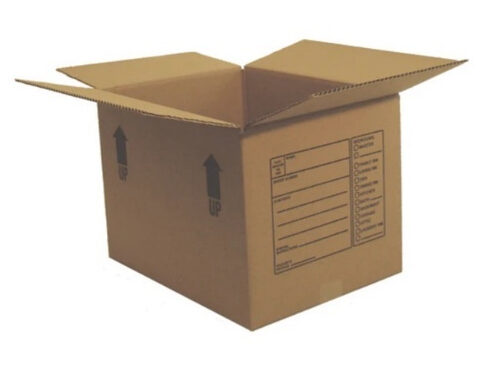
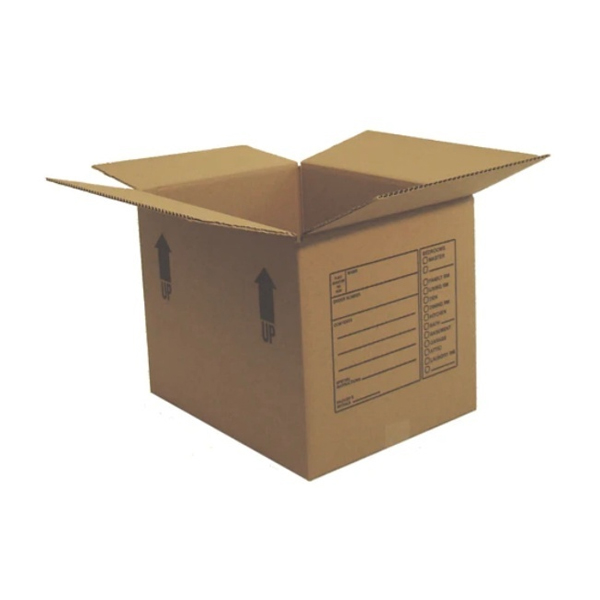
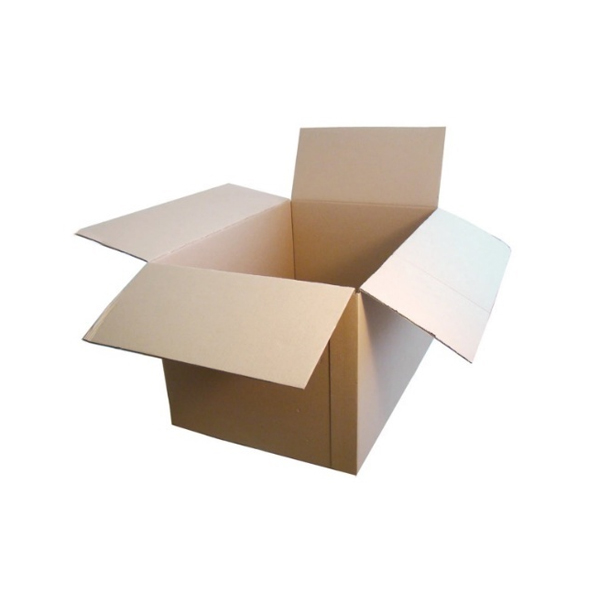
1. Select the Right Relocation Box
Select an appropriate and clean box that will be suitable for your items. Do not choose a very large box because the free space will provide more mobility for items during transport.
Do not overload your box either. Your fragile items should have enough space for proper packing.
2. Make a Protective Foundation
Prior to adding anything into the box, scrunch up some newsprint packing papers and put them at the bottom of the box. These will serve as a protective layer that absorbs any vibrations or impacts.
Ensure that the bottom of the box is well padded.
3. Wrapping Each Individual Piece
Place the fragile item in the center of several sheets of packing paper. Wrap the paper around the item and fold in the edges.
For delicate items, use extra paper for more protection. Pay special attention to corners, handles, edges, and other weak spots.
4. Layers Between Pieces
If you are packing dishes such as plates, glasses, and other similar pieces, put a sheet of newsprint packing paper between each of these items. It will decrease contact and prevent any possible scratching, chipping and cracking.
For dishes, positioning items vertically instead of horizontally may be helpful too.
5. Fill in the Gaps
After placing the wrapped items in the box, check for empty spaces. Too much space can cause your items to move during transit.
Crumple newsprint packing paper and fill the gaps around and between the items. This adds protection without putting extra pressure on fragile items.
6. Include a Top Cushion
Before sealing the box, add a layer of crumpled packing paper on top. This extra layer cushions your items and keeps them from moving during transit.
Then, seal the box securely with strong packing tape.
Label Fragile Boxes Properly
Remember to label fragile boxes with “Fragile” and “Handle with Care.” Also, make sure you note which room the box goes to.
Labeling ensures that everyone knows that the boxes need special handling.
Newsprint Packing Paper Over Newspapers
While newspapers may be an easy choice, the problem with printing inks is that they might get transferred to your items when packed in newspapers. That is
This is why many people prefer newsprint packing paper over newspapers when moving. It is clean, easy to use, and less likely to leave ink marks on your belongings.
For valuable or very fragile items, use packing paper with bubble wrap and other protective packaging materials.
How Much Newsprint Packing Paper Do You Need?
The quantity of newsprint packing paper required by a person depends on how many and what kind of possessions they are relocating. A lot of paper will be needed if you have a delicate kitchen and dining room that requires wrapping of different dishes such as glasses, plates, mugs among other things.
Keep extra packing paper on hand when moving. This helps you avoid running out while packing. You can also use extra paper to fill empty spaces in boxes and protect your belongings.
How to Pack Better With Quality Moving Supplies
Newsprint packing paper makes packing fragile items easier and safer. Use strong moving boxes and wrap each item separately. Add packing paper for cushioning and fill any empty spaces to keep your items secure during the move.
This is true whether you are relocating locally or far away since quality packing materials can help protect your possessions against damages.
In order to achieve this, combine newsprint packing paper with good quality moving boxes, bubble wraps, packing tapes and other useful moving supplies.
Frequently Asked Questions
What is newsprint packing paper used for?
Newsprint packing paper is mainly used to wrap and protect fragile items such as dishes, glasses, ceramics, picture frames, and household decorations during moving or storage.
Is newsprint packing paper better than newspaper?
Yes, plain newsprint packing paper is often preferred because it does not have printed ink that can transfer onto your belongings.
Can I use newsprint packing paper for glassware?
Yes. Wrap each glass individually with several sheets of packing paper and use crumpled paper to fill empty spaces inside the box.
How do you pack dishes with newsprint packing paper?
Wrap each dish separately and place a sheet of paper between individual pieces. Pack dishes securely and fill gaps with crumpled packing paper to prevent movement.