
The Guide to Product Labeling: Types of Labels in Packaging

the guide to product labeling types of labels in packaging dfw moving supplies inc

The Guide to Product Labeling: Types of Labels in Packaging

When you buy something the box or package is usually the thing you see. The box acts like the body, and the labels act like the face; therefore, they give the product its identity and tell you what is important. Whether you run a small business selling handmade items or manage a large company producing many products, you need to understand the different types.

 This is important because it helps your brand look good, moreover, it ensures you follow the rules and get things done quickly.

In this guide we will look at all the kinds of labels. We will talk about how these tags can make your product look good and how they can help get your product from one place to another.

Why Labels are Important in Packaging?

These are not pieces of paper that you stick on something. They do three things:

  1. They tell you what is inside the package how to use it and when it will expire.
  2. It helps  with branding, which means they use colors, words and logos to get your attention.
  3. Labels make sure the package gets to where it needs to go without getting lost.

1. Primary Product Labels

Branding Labels, also known as product badges, play an important role in Product Labeling. In this guide, we focus on Product Labeling and its key elements.

The primary label serves as the face of your product. It sits on the front of a bottle, jar, or box, catching the shopper’s attention and showcasing your brand identity.

Pressure-Sensitive Labels:

These are the most common. Think of them as high-quality stickers. They are easy to apply and can be made from paper, film, or foil.

Shrink Sleeve Labels:

These are 360-degree printed films that shrink onto the contours of a container using heat. They are popular for oddly shaped beverage bottles because they offer maximum “real estate” for design.

2. Shipping Labels (The Backbone of E-commerce)

If you operate an online store, shipping labels are arguably the most critical component of your workflow. Without an accurate shipping label, a product cannot reach its destination.

Unlike branding tags, which focus on aesthetics, shipping labels focus on data. They typically include:

  • The sender’s address.
  • The recipient’s address.
  • A tracking barcode.
  • The shipping method, for example Overnight or Ground.

Most businesses today use printers to make these. Using quality adhesive is very important; if a shipping label comes off while transporting, then the carrier cannot deliver the package.

3. Regulatory Labels

The government strictly regulates many industries; therefore, businesses must follow clear rules. Food, pharmaceuticals, and chemical products must carry specific information by law.

  • Nutrition Facts: You need to include these on food products to tell people about calories, fats and things they might be allergic to.
  • Drug Facts: You find these on medications you can buy without a prescription.
  • Warning Labels: These tell you about dangers like “Flammable” or “Keep Out of Reach of Children.”

4. Security and Tamper-Evident Labels

Nowadays keeping consumers safe and protecting brands is important and security tags play a big role in that.

  • Tamper-Evident Seals: If someone tries to open a product these tags will show a “VOID” pattern. You often see these on food delivery and medicine.
  • RFID Labels: These have a chip that helps businesses keep track of their inventory in real-time using radio waves. This prevents theft and loss in the supply chain.

5. Warehouse and Inventory Labels

In a warehouse or fulfillment center, help keep everything organized.

  • Barcode Labels: Each product needs a barcode so scanners can track how many you have in stock.
  • Bin or Rack Labels: These help warehouse workers find where products are stored.
  • Instructional Labels: These include stickers that say “Fragile,” “This Side Up ” or “Handle with Care.” These are additions to shipping labels so the carrier handles the package correctly.

Materials and Adhesives: What Should You Choose?

The environment your package will be in determines what material you should use for the label.

  • Paper Labels: These are best for use and dry places. They’re cheap. Work well in many situations.
  • BOPP (Polypropylene): This is a material thats resistant to water and oil. It’s perfect for products like bath stuff or refrigerated food.
  • Permanent vs. Removable Adhesive: Do you want the label to stay on forever or should the customer be able to peel it off ? This is a choice for the user experience.

How to Optimize Your Labeling Strategy

To make sure your packaging is efficient and looks professional follow these tips:

  1. Consistency is Key: Your branding labels should have the color scheme across all products.
  2. Invest in Quality: Using cheap shipping tags can cause problems like smudged barcodes; as a result, they can delay shipping and cost you money.
  3. Check Regulations: Make sure your font sizes and required warnings meet international shipping standards.
  4. Source Locally: Working with local suppliers ensures you get the right materials, from boxes to adhesive stickers, to keep your business running smoothly.
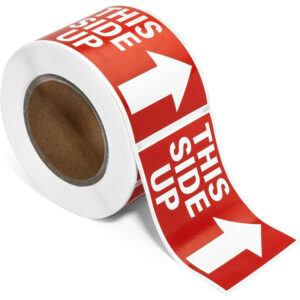
Labels

conclusion

The world of labels is really big and varied. From the colorful to the functional, every sticker has a purpose. By choosing the materials, following the rules, and focusing on clear communication, you can improve your brand’s reputation and ensure your products arrive safely at their destination.

Whether you’re packing an order or managing a warehouse, remember: a package isn’t finished until it’s labeled.


The Complete Guide to Packing: Protect Every Item, Every Time

packing supplies

Smart packing saves time, money, and stress. Whether you’re moving homes or shipping products, choosing the right packing supplies makes all the difference.

Why Proper Packing Matters

Every damaged item is evidence that a certain packing procedure was forgotten. Investing in high-quality packing materials will keep your valuables safe and prevent any unnecessary expenses. Professional packers use only trusted packing materials, and now you can use them as well.

Packing not only protects the item but also helps save a lot of space and thus requires fewer boxes to be packed. This means fewer expenses for shipping.

Essential Packing Supplies You Need

Before you start, gather all your materials. The right combination makes packing faster and far more reliable.

Newsprint packing paper

packing

Paper Pad (60×72, 3 PLY)

Strong packing boxes

Packaging tape

Packaging tape

Bubble wrap

Corrugated Paper Wrap 48X250


Why a Paper Pad Is a Packing Essential for Cushioning

The primary role of paper pads is to wrap items, but a paper pad also provides a method of creating a cushioning system within your box. When you fill your box, place a full-size sheet flat in the bottom of every box to absorb the vertical impact created by the weight of items in your box during the loading and stacking process. You can then wrap all of your items individually and place folded sheets between items to prevent contact.

The 3-Ply Paper Pad, size 60″ x 72″, is exceptionally well-suited to this purpose. Large enough to wrap larger items in one sheet and three-ply thick enough to absorb shocks without adding much weight. Unlike bubble wrap, a paper pad will conform to the shape of an item, filling voids left by elongated or rigid items. The paper pad creates consistent and uniform protection around ceramics, glassware, or small appliances.

Taping Your Package Properly

Good packing tape is used not only to seal a box but also to add strength to the whole box. Two tapes should be placed in an H-shape pattern over the seams. This will make sure that the weight of the box is equally distributed, thereby reducing the chances of breaking.

Also, make sure you use special tapes for heavy cargo. Ordinary tapes do not withstand the pressure exerted on them by heavy boxes.

Packing Techniques for Individual Items

Each item will need to be packed using different techniques. This is what you should do for each of the more troublesome items:

  1. Glass: Wrap each one in packing paper before placing it into another layer of packing paper. Ensure that you pack them upright and not horizontally.
  2. Electronics: Always use the original packing box, but if unavailable, use packing paper to fill the box. Seal all sides with packaging tape.
  3. Books and papers: Pack them flat and not upright to prevent damaging the spine. Use smaller boxes to make sure they don’t become too heavy.
  4. Clothes and bedding: Roll them up instead of folding. You can also use them as padding for more delicate items.

Common Mistakes to Avoid

Even experienced movers make avoidable errors. Overpacking boxes is the most common mistake—a box that is too heavy is likely to tear and injure the person lifting it. Similarly, underpacking leaves too much space, causing items to bump against each other and break.

Never skip labeling. Label each box clearly with what is inside and where it belongs in the house. This makes unpacking much faster and ensures that you don’t lose things you need. Also, tape the bottom of every box twice before you load it, since this is where the stress is on a box.


Frequently Asked Questions

How early should I start packing before a move?

Start at least 2–3 weeks before your move date. Begin with items you use least—seasonal clothing, books, décor—and work toward everyday essentials. This staged approach keeps your home functional right up to moving day.

What is the best packaging paper for fragile items?

Newsprint packing paper is the top choice for fragile items. It’s soft, ink-free, and flexible enough to wrap irregular shapes. For extra protection, pair it with a 3-PLY paper pad (60×72) to cushion items inside the box.

How much packaging tape do I need for a move?

A standard move of a 2-bedroom home typically requires 3–5 rolls of packaging tape. Always buy extra — running out mid-pack is a common and avoidable delay.

Can I reuse packaging supplies?

Yes, but with caution. Boxes can be reused if structurally sound with no moisture damage. Packing paper and bubble wrap are fully reusable. However, packing tape should always be fresh—used tape loses adhesion and can fail during transit.

What is the difference between packing tape and packaging tape?

These terms are often used interchangeably. Both refer to strong adhesive tape designed to seal boxes and secure packing materials. The key factor is choosing a tape rated for the weight of your boxes.

What is the difference between a mattress cover and a mattress protector?

mattress cover

What is the difference between a mattress cover and a mattress protector?

A mattress cover covers the entire mattress to protect it from dust, dirt, moisture, and damage from being moved or stored.
 
The mattress protector, on the other hand, only covers the top of the mattress and helps to protect it from spills, moisture, and allergens.
 
If you need to move or store your bed, full coverage is usually the best choice.
But, if you are choosing between these options, you should take into account both the size and the materials.
 
Make sure you choose a cover or protector that fits your mattress correctly.
Furthermore, materials are also important. Choose a thicker plastic for transport or storage; breathable fabrics are better for everyday use.
 
Therefore, taking the time to compare your needs will help you to choose the most appropriate product for your situation.

What Is a Mattress Cover?

The mattress cover completely encases the mattress and provides complete protection.
 
For example, a mattress cover used for transport will protect the mattress from dirt, rain, and other damage during transport.
Similarly, mattresses for storage are protected from dirt, moisture, and pests.
 
Most of the options use a durable material such as solid plastic.
As a result, tears, stains, and external damage are reduced. Furthermore, watertight construction adds a layer of security against accidental spills or moisture.
 
However, the thick plastic covers may sometimes feel hot and may make a creaking sound when moved.
If comfort and breathability are priorities, consider using a cover made of softer, breathable fabric.
Mattress Cover

What is a mattress protector?

The mattress protector, on the other hand, is thinner and fits more like a fitted sheet.
Shields the surface from spills, sweat, and allergens.
 
However, it does not fully cover mattresses.
For allergy sufferers, the shield may provide some relief by blocking common allergens on the top surface.
But it may not prevent dust mites and allergens from entering the sides or bottom of the mattress.
 
In this case, a full mattress cover, which completely covers the mattress, offers more protection.
Thus, it is a better choice for allergy sufferers.
In other words, it is more concerned with hygiene than with heavy protection.

Key Differences Between Mattress Cover and Mattress Protector

Firstly, if you want total protection, then you should opt for covers, as mattress protectors only cover the top section of the mattress.
 
Secondly, covers are also stronger and thicker; protectors, on the other hand, are flexible and light.
 
Consequently, every choice has a distinct function.
Conclusion
Ultimately, a mattress cover is ideal for stashing your mattress away or moving it. For daily use, though, a mattress protector is the way to go. If you’re looking to safeguard against damage, moisture, and dust, full encasement is the superior option. Choosing the right one, in the long run, helps your mattress last
Frequently Asked Questions
Should I get a mattress cover for moving?
Indeed, it safeguards your mattress from grime, dust, and any physical harm it might encounter while being moved.
Yes, plastic materials work well because they block moisture and dust effectively.
It is helpful, especially in humid conditions or during rainy moves.
For moving and storage, full coverage works best. For daily use, a protector is more suitable.

Is It Worth Buying Moving Boxes? A Guide for Residents in Farmers Branch

dfw-moving-supplies-is-it-worth-buying-moving-boxes-a-guide-for-residents-in-farmers-branch

Is It Worth Buying Moving Boxes? A Guide for Residents in Farmers Branch

If you’re planning to relocate, one of your main concerns will be finding a moving box that’s both cost-effective and functional. You may first wonder whether to buy boxes or use the old ones you have at home. While reusing old boxes might seem like a temporary solution, it’s worth considering the benefits of purchasing new moving boxes. Buying them could save you time and ensure better protection for your items. Let’s explore the reasons affordable moving boxes could be a smart investment.
 

Motives for Acquiring Moving Boxes

When you are moving to a place, your things are very important to you. You want to make sure that the things you care about, like your dishes and gadgets, do not get broken. That’s why you need this. These are made to keep your things safe while you are moving. They are much stronger than the boxes you can get for free at the store.
 
These are boxes that are made just for moving. They are very strong. Can keep your things safe. The boxes you get at the store are not as good as boxes for moving. These boxes come in different sizes. You can pick the size that’s just right for the things you are moving. This helps keep your things from moving while you are transporting them. It also helps prevent accidents when you are handling the boxes. For example, you can use boxes for your clothes and blankets. You can use those boxes for your books and kitchen things. Moving boxes are the way to keep your things safe while you are moving.

Do Inexpensive Moving Boxes Actually Have Value?

The term “affordable” could lead you to reconsider your expenses on moving boxes. Inexpensive boxes don’t always mean poor quality. In fact, buying them locally from Moving Supplies in Farmers Branch can save you money. When you consider the time and hassle of sourcing them elsewhere, it becomes an even better deal.

The Issue with Utilizing Old Boxes

Even though you may think you’re getting a deal with free or used boxes, there are downsides. These boxes may not protect your stuff properly. This could increase the risk of damage to your belongings. Old boxes may already be damaged before you use them. They might not fit your items well. Also, they could have dirt or bugs which could harm your belongings.
 
If you’re moving to Farmers Branch, where the weather can change quickly, you could make a mistake. Texas is known for surprise thunderstorms. If you choose boxes that’re n’t waterproof or weather-resistant, your belongings could get damaged. You don’t want your boxes to break or get wet in the rain, so you should choose strong ones.

Purchase Boxes in Farmers Branch: Nearby Alternatives and Advantages

In Farmers Branch, suppliers offer good moving boxes for every need. Buying locally has some advantages. You can pick up your boxes and save on shipping time and costs. Also, shopping at stores helps support the community. You’ll get service and expert advice on the best boxes for your move.
 
Buying from vendors means you can avoid long shipping delays that often come with online purchases. Whether it’s sunny or rainy in Farmers Branch, you can visit the store. Find what you need. You don’t have to wait. They have many sizes available, so you can choose the fit for everything. There are boxes for glass items and heavy textbooks.

The Conclusion: Are Moving Boxes Worth the Investment?

Don’t view the cost of packing boxes for moving as a major expense. Instead, consider how much time and effort they will save you, making the investment well worth it. Knowing your items are secure is a great feeling. With strong, reliable boxes, they’ll stay safely packed. This peace of mind makes the moving process much less stressful. Additionally, economical moving boxes from nearby vendors in Farmers Branch will suit your requirements perfectly and remain budget-friendly.

Bubble Wrap vs Packing Paper: Learn When to Use Each One

bubble-wrap-vs-packing-paper

Bubble Wrap vs Packing Paper: Learn When to Use Each One

Are you uncertain which material to choose for packing while moving or storing? The combination of bubble wrap and packing paper will protect your packed items differently than if you were to only use one type of material. Packing paper works best for every kind of item you might have packed like dishes, cups, small decorative items, etc., whereas bubble wrap serves very well as a protective material when packing fragile and/or expensive items that require additional protection. This article will help you understand the right type of packing material based on the types of items you are packing, as well as how each type of packaging material protects against damage. Once you’ve read this article, you’ll be able to confidently and conveniently pack and protect your items from start to finish.

What Is Packing Paper?

Packing paper is a clean and soft paper material exclusively used for packing purposes. The good thing about packing paper is that it does not have any ink on it. This means that packing paper will not leave any marks on the things you pack.
Packing paper is safe to use with dishes and glasses, and other things that can break easily. It is thin but strong enough to keep your items from getting scratched. Packing paper is a choice when you need to pack delicate items, like these, because it protects them well.
Packing paper is really easy to fold and shape. You can use packing paper to wrap things up or fill empty spaces in boxes. Packing paper helps keep items from moving when you are moving them. Packing paper is also very light, so it does not make boxes too heavy.

What Is Bubble Wrap?

This is a sheet that has lots of small bubbles filled with air. These bubbles are like cushions that help keep things safe. If something gets bumped, the bubbles in the bubble wrap help absorb the bump. This is why the item is good at protecting things while moving.
In addition, it is great for items that can break easily. For example, mirrors, glass frames, electronics, and décor items benefit from this extra layer. However, it is thicker and takes up more space in boxes. Therefore, it should be used only when extra protection is truly needed.

When to Use Packing Paper?

Packing paper is your go-to for items that need a little surface protection rather than heavy-duty impact protection. Here are some examples:
  • Plates, bowls, and cups
  • Glassware tucked inside dish boxes
  • Small kitchen tools
  • Decorative items
  • Items packed snugly together.

It’s also great for wrapping items individually and stacking them neatly. Thanks to its flexibility, packing paper easily fits into corners and gaps, which helps prevent your belongings from shifting during the move.

Another plus? Packing paper is budget-friendly. So, if you’ve got a lot to pack, it’s a smart way to keep your moving expenses in check.

When to Use Bubble Wrap?

This is the way to go for fragile or pricey items. Think about:
  • Mirrors and picture frames
  • Electronics like TVs and monitors
  • Glass décor and collectibles
  • Items with sharp or uneven edges.
Since bubble wrap absorbs shocks, it’s perfect for protecting your items from drops and bumps. It’s also ideal for items that will be in boxes with some extra space around them. Just keep in mind that because it is thicker, it’s best not to overuse it for everyday items.

Can You Use Both Together?

Absolutely! In many cases, this is the best approach. Start by wrapping the item in packing paper for surface protection, then layer on bubble wrap for that extra cushioning. This combo is especially effective for high-value or very delicate items.
For instance, you can wrap a glass vase in packing paper first, then add bubble wrap on top. This way, your item is shielded from both scratches and impacts.

Which One Should I Use for Moving?

Truthfully, there isn’t a “better” answer. It all depends on what you are wrapping. Packing paper should be used for general-purpose wrapping and everyday items. Bubble wrap should be reserved for items that need extra protection.
Professional movers typically use both packing paper and bubble wrap. They will wrap the majority of their items in paper, but will use this for special items that need it. This allows them to safely pack items while conserving space and money.

Conclusion

Deciding when to use packing paper vs bubble wrap shouldn’t be difficult. Now that you know how each product works, you’ll find packing your items much easier. Use paper for your everyday items that just need a simple, clean wrap. For fragile or valuable items, reach for the bubble wrap to ensure they stay protected.
Make sure you use the right material for the job, and you can avoid damage and stress while packing. If you are looking for high-quality packing paper, bubble wrap, or other moving supplies, look no further than DFW Moving Supplies. We want to make your move as easy as possible.

How a Dish Box Can Protect Your Dishes: Common Mistakes to Avoid

Dish-box-and-packing-papers-for-dishes

How a Dish Box Can Protect Your Dishes: Common Mistakes to Avoid

Have you ever packed your dishes for a move and some of them broke?
Most of the individuals pack dishes improperly, leading to breakage, cracks, scratches, or chipping. Failure to use a proper dish box is one of the biggest mistakes. The boxes used may be of average quality, and so, they might not be able to hold delicate plates, bowls, or glasses. Not using sufficient packing papers for dishes to wrap every item is also another error. Some people load dishes too much or leave empty areas in the box, which may cause them to collide with each other and break. Packing dishes properly with a sturdy dish pack box and wrapping each dish with packing paper can actually save a lot of time, money, and stress. These tips can help ensure your kitchen remains safe during the moving process.

Mistakes That You Must Avoid While Packing

1. Not Using the Right Box

People usually put their dishes in ordinary boxes while moving. The thing is, plates and bowls can break easily if the box is not made of a strong material. That is why you should use a heavy-duty dish box to protect your dishes. When you are packing, you should always choose dish pack boxes of the correct strength and size to keep your dishes safe.

2. Skipping Packing Paper for Dishes

People often forget to wrap up each plate or bowl. You should use packing paper for your dishes because it gives them some cushioning. This reduces the friction between each plate and bowl. That’s why your dishes will not scratch or break when you move them.

3. Overpacking or Underpacking

When you are packing dishes, you have to be careful. Stacking many dishes in one box is not a good idea. Dishes can get broken if you do that. Leaving space in the box is also not good because the dishes can move around and break. You should pack the box with dishes tightly, but do not overload the dish box to prevent crushing.

4. Ignoring Labels

When you are packing your dishes, it is important to write “Fragile” on the boxes. This way, the people who are moving your stuff will pay extra attention while handling your dish pack boxes.

5. Rushing the Packing

Packing dishes too fast can lead to mistakes. Take your time, wrap each dish, and place them carefully in the dish box.

Conclusion

Avoiding these common mistakes makes moving less stressful. Use powerful dish boxes and packing paper for dishes to protect your favorite kitchen items. Safe packing saves your dishes and your money!

Easy Packing Tips for a Smooth Move

Packing Tips

Moving to a new home can feel big. But, with simple steps and smart packing tips, it can be fun too. First, start early so you do not hurry. Then, make small lists to remember things. Also, keep tape, paper, and markers ready so you do not lose anything. With slow and calm work, we can stay happy and safe while packing. When we plan early, everything feels easy and smooth. So, always keep one clean table for sorting your things. This helps you see what to keep and what to give away. With small steps, we stay neat, safe, and stress-free.

Start Early and Stay Ready with Smart Packing Tips

When we start early, we do not rush. So, we pack slowly and safely. Taking our time helps us stay calm and think. With small, easy steps, packing feels simple and not scary at all. This way, we feel happy and finish our work without stress.
Also, keep tape, markers, and paper ready before you start. This helps you write names on boxes and not lose things. With neat labels and good planning, unpacking is fast and easy later. This smart habit keeps every item safe and easy to find.

Clothes and Toys: Pack Them the Easy Way

Folding clothes in neat piles keeps them clean and smooth. Also, tiny shirts and socks can go into small bags. This helps you find things fast later. With these smart packing tips, clothes stay neat and fresh. Plus, it makes unpacking quick and simple too. You can also use a medium box to keep shirts and pants together so they stay tidy.
Because toys can break, wrap them in soft cloth or paper. Then put them in a safe box. You can use one strong moving box for soft toys, books, and small things. This way, nothing gets lost or broken. Also, it keeps all toys together in one place.

Smart Packing Tips for the Kitchen

The kitchen has many breakable things. So, wrap plates in towels or soft paper. Then, stand them up so they do not crack. This keeps your plates safe and strong. Also, fill empty spaces so nothing moves during the trip.
Also, put spoons and forks in small bags. Then place the bags inside a box corner. When we pack slowly and gently, cups, glasses, and bowls stay safe. With strong boxes and soft wrap, we protect all kitchen things with care.

Fast List for School Things

Packing tips for school things start with keeping books in small boxes. Then, add labels so you know each subject. Keep notebooks, pencil cases, and art tools together so nothing gets mixed up.

  • Keep books in one pile
  • Use zip bags for pencils
  • Wrap lunch boxes
  • Keep water bottles together

With the right moving supplies, everything stays neat and easy to find. This helps kids start school fast without searching for things everywhere.

Easy Packing Tips for Fragile Items

Fragile things need extra care. So, wrap glass and tiny treasures in bubble wrap. Then, place them in small groups inside a strong box. With soft paper in empty spaces, nothing moves or breaks. This way, every little thing stays safe and happy.
Also, pretty boxes can make packing fun! When you explore creative packaging design ideas, you learn how to pack with care and style. This way, your things stay safe and look neat too. Plus, it feels exciting to open cute boxes in your new home.

You Are Set to Move! — Happy & Ready!

Now you are ready for a happy move! With slow steps, soft wraps, and clear labels, your things will stay safe. Because you stayed calm and used simple ideas, packing felt easy. And yes, being ready helps us feel strong and proud.
Soon, you will open your boxes and smile in your new home. So, feel happy and proud! You packed with care, planning, and joy. With good habits, smart boxes, and neat packing tips, every move becomes smooth and bright. Enjoy your new space and have fun in your new home!

Pack Lamps for Moving Without Breaking a Bulb

pack lamps for moving

When it’s time to move, packing everything safely becomes very important. Among the trickiest things to move are lamps. They are tall, fragile, and have lots of parts. So, knowing how to pack lamps for moving is a must. But don’t worry! With the right steps and supplies, you can keep your lamps safe and sound.

Why You Need to Pack Lamps for Moving the Right Way?

Lamps are not like clothes or books. They can bend, break, or crack if not packed properly. That’s why using the right boxes, bubble wrap, and padding matters a lot. First, always take the lamp apart. Take out the bulb, detach the lampshade, and disconnect the cord. Wrap each part one by one, gently and fully.
Next, place the wrapped lamp base in a tall, sturdy box. If you need help picking boxes, this moving box size guide can show you which size is best. Using the correct box makes it easier to carry and protects your lamp from damage during the move.

Easy Tips to Pack Lamps for Moving Safely

Once your lamp is taken apart, don’t forget to mark each piece. You can write on tape or small stickers so you know which bulb or cord belongs to which lamp. This will save time when unpacking later.
After wrapping everything, fill empty spaces in the box with paper or towels. This prevents the lamp from shifting or sliding. Also, place the lampshade in a separate box with soft padding around it. Never put anything heavy on top of it, or it may get squished.
Still looking for good supplies to pack your lamp? You can check out all moving products to find everything from bubble wrap to specialty boxes—all in one place.

Label and Stack Carefully When You Pack Lamps for Moving

Now that your lamps are in boxes, make sure to label them. Label all sides of the box with ‘Fragile – Lamp’. That way, everyone knows to be extra careful when moving it. Also, try not to stack heavy boxes on top of lamp boxes. Even if the lamp is well packed, too much pressure can cause it to break.
Remember, a little extra time spent packing the right way will keep your things safe and working in your new home.

Bright Ideas for a Safe Move

To wrap it up, when you pack lamps for moving, always go step by step. Take them apart, use the right supplies, and label everything well. With patience and care, your favorite lamps will reach your new home safely—ready to shine once again!