- Posted on
- By admin
- In Boxes, Dish Pack Boxes, Packaging Boxes, Packaging Design, Packing Labels, packing paper, Packing tape

The Guide to Product Labeling: Types of Labels in Packaging
When you buy something the box or package is usually the thing you see. The box acts like the body, and the labels act like the face; therefore, they give the product its identity and tell you what is important. Whether you run a small business selling handmade items or manage a large company producing many products, you need to understand the different types.
This is important because it helps your brand look good, moreover, it ensures you follow the rules and get things done quickly.
In this guide we will look at all the kinds of labels. We will talk about how these tags can make your product look good and how they can help get your product from one place to another.
Why Labels are Important in Packaging?
These are not pieces of paper that you stick on something. They do three things:
- They tell you what is inside the package how to use it and when it will expire.
- It helps with branding, which means they use colors, words and logos to get your attention.
- Labels make sure the package gets to where it needs to go without getting lost.
1. Primary Product Labels
Branding Labels, also known as product badges, play an important role in Product Labeling. In this guide, we focus on Product Labeling and its key elements.
The primary label serves as the face of your product. It sits on the front of a bottle, jar, or box, catching the shopper’s attention and showcasing your brand identity.
Pressure-Sensitive Labels:
These are the most common. Think of them as high-quality stickers. They are easy to apply and can be made from paper, film, or foil.
Shrink Sleeve Labels:
These are 360-degree printed films that shrink onto the contours of a container using heat. They are popular for oddly shaped beverage bottles because they offer maximum “real estate” for design.
2. Shipping Labels (The Backbone of E-commerce)
If you operate an online store, shipping labels are arguably the most critical component of your workflow. Without an accurate shipping label, a product cannot reach its destination.
Unlike branding tags, which focus on aesthetics, shipping labels focus on data. They typically include:
- The sender’s address.
- The recipient’s address.
- A tracking barcode.
- The shipping method, for example Overnight or Ground.
Most businesses today use printers to make these. Using quality adhesive is very important; if a shipping label comes off while transporting, then the carrier cannot deliver the package.
3. Regulatory Labels
The government strictly regulates many industries; therefore, businesses must follow clear rules. Food, pharmaceuticals, and chemical products must carry specific information by law.
- Nutrition Facts: You need to include these on food products to tell people about calories, fats and things they might be allergic to.
- Drug Facts: You find these on medications you can buy without a prescription.
- Warning Labels: These tell you about dangers like “Flammable” or “Keep Out of Reach of Children.”
4. Security and Tamper-Evident Labels
Nowadays keeping consumers safe and protecting brands is important and security tags play a big role in that.
- Tamper-Evident Seals: If someone tries to open a product these tags will show a “VOID” pattern. You often see these on food delivery and medicine.
- RFID Labels: These have a chip that helps businesses keep track of their inventory in real-time using radio waves. This prevents theft and loss in the supply chain.
5. Warehouse and Inventory Labels
In a warehouse or fulfillment center, help keep everything organized.
- Barcode Labels: Each product needs a barcode so scanners can track how many you have in stock.
- Bin or Rack Labels: These help warehouse workers find where products are stored.
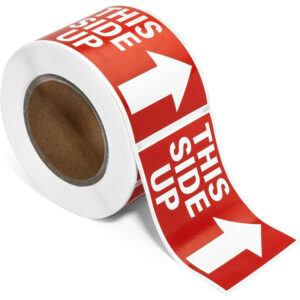
- Instructional Labels: These include stickers that say “Fragile,” “This Side Up ” or “Handle with Care.” These are additions to shipping labels so the carrier handles the package correctly.
Materials and Adhesives: What Should You Choose?
The environment your package will be in determines what material you should use for the label.
- Paper Labels: These are best for use and dry places. They’re cheap. Work well in many situations.
- BOPP (Polypropylene): This is a material thats resistant to water and oil. It’s perfect for products like bath stuff or refrigerated food.
- Permanent vs. Removable Adhesive: Do you want the label to stay on forever or should the customer be able to peel it off ? This is a choice for the user experience.
How to Optimize Your Labeling Strategy
To make sure your packaging is efficient and looks professional follow these tips:
- Consistency is Key: Your branding labels should have the color scheme across all products.
- Invest in Quality: Using cheap shipping tags can cause problems like smudged barcodes; as a result, they can delay shipping and cost you money.
- Check Regulations: Make sure your font sizes and required warnings meet international shipping standards.
- Source Locally: Working with local suppliers ensures you get the right materials, from boxes to adhesive stickers, to keep your business running smoothly.
conclusion
The world of labels is really big and varied. From the colorful to the functional, every sticker has a purpose. By choosing the materials, following the rules, and focusing on clear communication, you can improve your brand’s reputation and ensure your products arrive safely at their destination.
Whether you’re packing an order or managing a warehouse, remember: a package isn’t finished until it’s labeled.